

How to choose the right sealant for bronze fittings?
Dec 02, 2025
Hey there! As a supplier of bronze fittings, I've seen firsthand how crucial it is to choose the right sealant for these components. Bronze fittings, like Bronze Elbow, Bronze Union, and Bronze Nipples, are widely used in various plumbing and industrial applications. But without the proper sealant, you might end up with leaks, corrosion, or other issues that can cause a real headache. So, let's dive into how you can pick the perfect sealant for your bronze fittings.
Understanding Your Needs
First things first, you gotta figure out what you need the sealant for. Different applications call for different types of sealants. Are you using the bronze fittings in a plumbing system, where they'll be in contact with water? Or is it for an industrial setting, where they might be exposed to chemicals or high temperatures?
If it's a plumbing application, you'll want a sealant that's resistant to water and won't break down over time. Look for products that are specifically labeled for use in potable water systems. These sealants are designed to be non-toxic and won't contaminate the water supply.
On the other hand, if you're dealing with an industrial environment, you'll need to consider the chemicals and temperatures the sealant will be exposed to. Some sealants are formulated to withstand harsh chemicals, while others can handle high temperatures without losing their sealing properties.
Types of Sealants
There are several types of sealants available on the market, each with its own pros and cons. Let's take a look at some of the most common ones:
Thread Seal Tape
Thread seal tape, also known as Teflon tape, is one of the most popular choices for sealing threaded bronze fittings. It's easy to use – you just wrap it around the threads of the fitting before assembling it. Thread seal tape creates a tight seal by filling in the gaps between the threads, preventing leaks.
One of the advantages of thread seal tape is its affordability. It's also widely available at most hardware stores. However, it may not be the best option for high-pressure applications or situations where the fitting will be subjected to vibration. Over time, the tape can loosen or tear, leading to leaks.
Pipe Dope
Pipe dope, or pipe joint compound, is another common sealant for bronze fittings. It comes in a paste form and is applied to the threads of the fitting before assembly. Pipe dope fills in the gaps between the threads and creates a strong, durable seal.
One of the benefits of pipe dope is its ability to withstand high pressures and vibrations. It also provides a better seal than thread seal tape in some cases. However, pipe dope can be messy to apply, and it may take some time to dry. Additionally, some pipe dopes may not be suitable for use in potable water systems, so make sure to check the label.
Silicone Sealant
Silicone sealant is a versatile option that can be used for a variety of applications, including sealing bronze fittings. It's flexible, waterproof, and resistant to temperature changes. Silicone sealant forms a strong bond with the surface of the fitting, creating a reliable seal.
One of the advantages of silicone sealant is its ease of application. It can be applied with a caulking gun, and it dries quickly. Silicone sealant is also resistant to mold and mildew, making it a good choice for applications where moisture is a concern. However, it may not be as effective as thread seal tape or pipe dope for sealing threaded fittings.
Epoxy Sealant
Epoxy sealant is a high-strength sealant that's often used in industrial applications. It consists of two parts – a resin and a hardener – that are mixed together before application. Epoxy sealant forms a strong, permanent bond with the surface of the fitting, providing excellent resistance to chemicals, heat, and pressure.
One of the benefits of epoxy sealant is its durability. It can withstand extreme conditions and is ideal for applications where a long-lasting seal is required. However, epoxy sealant can be more difficult to apply than other types of sealants, and it may require special tools and equipment. It also has a relatively long curing time, so you'll need to be patient before using the fitting.
Factors to Consider
When choosing a sealant for your bronze fittings, there are several factors you should take into account:
Compatibility
Make sure the sealant you choose is compatible with bronze. Some sealants may react with the metal, causing corrosion or other damage. Check the product label or consult with the manufacturer to ensure compatibility.
Temperature Resistance
Consider the temperature range the sealant will be exposed to. If the fitting will be used in a high-temperature environment, choose a sealant that can withstand the heat without losing its sealing properties.
Chemical Resistance
If the fitting will be in contact with chemicals, select a sealant that's resistant to those chemicals. Different sealants have different levels of chemical resistance, so make sure to choose one that's appropriate for your application.
Pressure Rating
Determine the pressure the sealant will need to withstand. Some sealants are designed for low-pressure applications, while others can handle high pressures. Choose a sealant with a pressure rating that meets or exceeds the requirements of your system.
Ease of Application
Think about how easy the sealant is to apply. Some sealants, like thread seal tape, are very easy to use, while others, like epoxy sealant, may require more skill and experience. Choose a sealant that you're comfortable applying.
Application Tips
Once you've chosen the right sealant for your bronze fittings, here are some tips to ensure proper application:
Clean the Fittings
Before applying the sealant, make sure the fittings are clean and free of dirt, grease, and debris. Use a wire brush or sandpaper to remove any rust or corrosion from the surface of the fitting.
Apply the Sealant Correctly
Follow the manufacturer's instructions for applying the sealant. For thread seal tape, wrap it around the threads in a clockwise direction, starting from the end of the fitting. For pipe dope, apply a thin layer to the threads using a brush or your finger. For silicone sealant, apply it evenly to the surface of the fitting using a caulking gun.
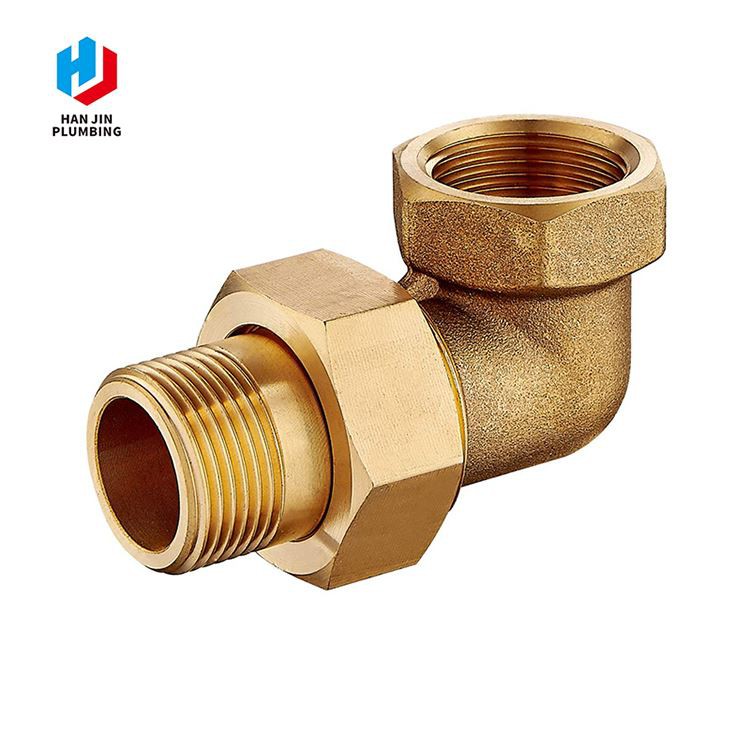

Assemble the Fittings
After applying the sealant, assemble the fittings according to the manufacturer's instructions. Make sure to tighten the fittings securely, but don't over-tighten them, as this can damage the threads or the sealant.
Allow the Sealant to Cure
Give the sealant enough time to cure before using the fitting. The curing time will depend on the type of sealant you're using, so check the product label for specific instructions.
Conclusion
Choosing the right sealant for your bronze fittings is essential for ensuring a leak-free and long-lasting connection. By understanding your needs, considering the different types of sealants available, and taking into account the factors mentioned above, you can make an informed decision. Remember to follow the application tips to ensure proper installation.
If you have any questions or need further assistance in choosing the right sealant for your bronze fittings, don't hesitate to reach out. As a supplier of bronze fittings, we're here to help you find the best solutions for your projects. Whether you're working on a small plumbing job or a large industrial application, we can provide you with the high-quality products and expert advice you need. So, get in touch with us today and let's start the conversation about your bronze fitting and sealant requirements!
References
- "Sealants and Adhesives Handbook" by Henry Keating
- "Plumbing Handbook" by John Doe
- Manufacturer's product labels and technical data sheets