

How to connect bronze nipples to other pipes?
Oct 23, 2025
Hey there! As a supplier of Bronze Nipples, I've seen firsthand how important it is to know how to connect these bad boys to other pipes. Whether you're a DIY enthusiast or a professional plumber, getting this connection right is crucial for a leak - free and long - lasting plumbing system. So, let's dive right in and explore the ins and outs of connecting bronze nipples to other pipes.
1. Understanding Your Materials
First things first, you need to understand the materials you're working with. Bronze nipples are made of bronze, a metal alloy that's known for its durability and corrosion resistance. They come in different sizes and thread types, so it's essential to choose the right one for your project. You can check out our Bronze Nipples on our website to see the variety we offer.
When it comes to the other pipes, they could be made of different materials like copper, PVC, or steel. Each material has its own properties, and you need to take them into account when making the connection. For example, copper pipes are soft and malleable, while PVC pipes are lightweight and easy to cut.
2. Tools You'll Need
Before you start connecting the bronze nipples, gather the necessary tools. Here's a list of what you'll typically need:

- Pipe wrenches: These are used to tighten the connections. Make sure you have the right size wrenches for the pipes and nipples you're working with.
- Teflon tape: Also known as plumber's tape, it helps create a watertight seal between the threads.
- Pipe cutter (if needed): If you need to cut the pipes to the right length, a pipe cutter is a must - have.
- Deburring tool: After cutting the pipes, you'll need to use a deburring tool to remove any rough edges.
3. Preparing the Pipes and Nipples
Once you have your tools ready, it's time to prepare the pipes and nipples.
- Clean the threads: Use a wire brush to clean the threads on both the bronze nipples and the pipes. This removes any dirt, debris, or rust that could prevent a proper connection.
- Measure and cut: If the pipes are too long, measure the required length and use a pipe cutter to cut them. After cutting, use a deburring tool to smooth out the edges.
- Apply Teflon tape: Wrap the Teflon tape around the male threads of the bronze nipple in a clockwise direction. Make sure you wrap it tightly and evenly, but don't over - do it. Usually, 3 - 5 wraps are sufficient.
4. Making the Connection
Now comes the actual connection part. There are a few different scenarios depending on the type of pipes you're using.
Connecting to Copper Pipes
- Solder connection: For a permanent and leak - proof connection, you can solder the bronze nipple to the copper pipe. First, clean the ends of the copper pipe and the nipple with sandpaper. Then, apply flux to the cleaned surfaces. Heat the joint with a propane torch until the flux starts to bubble. Insert the bronze nipple into the copper pipe and apply solder. The solder will melt and flow into the joint, creating a strong bond.
- Threaded connection: If you don't want to solder, you can use a threaded connection. Simply screw the bronze nipple into the copper fitting using a pipe wrench. Make sure you tighten it firmly, but don't over - tighten as it could damage the threads.
Connecting to PVC Pipes
- Threaded connection: PVC pipes usually have threaded fittings. Wrap the Teflon tape around the male threads of the bronze nipple and screw it into the PVC fitting. Use a pipe wrench to tighten the connection, but be careful not to crack the PVC.
- Adapter fittings: In some cases, you may need to use adapter fittings to connect the bronze nipple to the PVC pipe. These fittings are designed to bridge the gap between different materials.
Connecting to Steel Pipes
- Threaded connection: Similar to other pipes, you can use a threaded connection to join the bronze nipple to a steel pipe. Clean the threads, apply Teflon tape, and then screw the nipple into the steel fitting using a pipe wrench.
5. Using Other Bronze Fittings
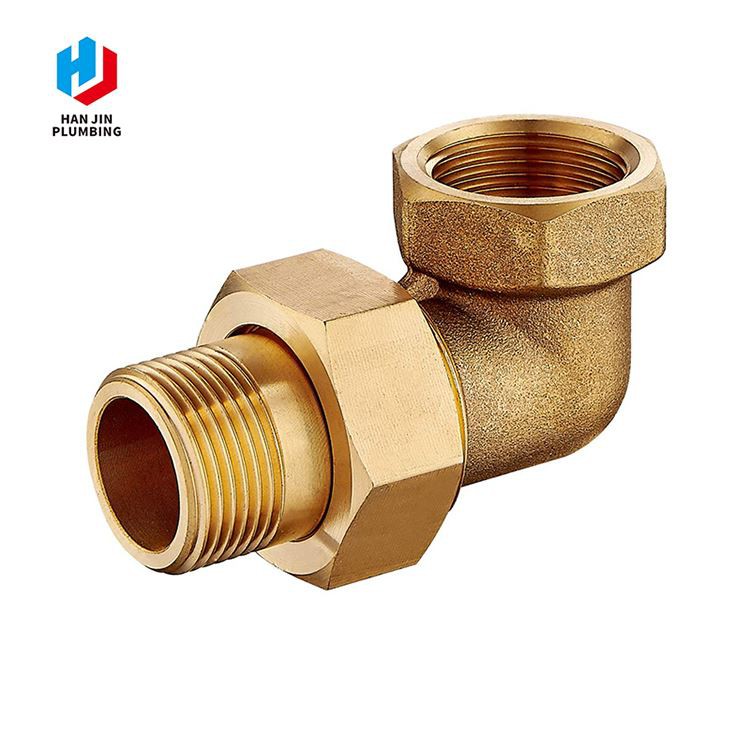
In addition to connecting bronze nipples directly to pipes, you can also use other bronze fittings like Bronze Union and Bronze Elbow to create more complex plumbing systems.
- Bronze Union: A bronze union is used to connect two pipes together in a way that allows for easy disassembly. It consists of three parts: a nut, a male end, and a female end. To use a bronze union, first, connect the male end to one pipe and the female end to the other pipe. Then, tighten the nut to secure the connection.
- Bronze Elbow: A bronze elbow is used to change the direction of the pipe. It comes in different angles, such as 45 degrees and 90 degrees. To connect a bronze elbow to a pipe or a bronze nipple, follow the same steps as for a regular threaded connection.
6. Testing the Connection
After making the connection, it's important to test it to make sure there are no leaks. Turn on the water supply and check for any signs of leakage around the joints. If you notice any leaks, try tightening the connection a little more. If the leak persists, you may need to disassemble the connection, re - apply the Teflon tape, and try again.
7. Maintenance and Care
Once you've successfully connected the bronze nipples to the pipes and tested the system, it's important to take proper care of it.
- Regular inspections: Periodically inspect the plumbing system for any signs of corrosion, leaks, or damage.
- Avoid over - tightening: Over - tightening the connections can damage the threads and lead to leaks in the long run.
- Protect from extreme temperatures: If the plumbing system is exposed to extreme temperatures, it can cause the pipes and fittings to expand and contract, which may lead to leaks. Consider insulating the pipes in cold areas.
8. Why Choose Our Bronze Nipples
As a supplier of bronze nipples, we take pride in offering high - quality products. Our bronze nipples are made from top - grade bronze, which ensures durability and long - lasting performance. We have a wide range of sizes and thread types available, so you can find the perfect nipple for your project. Plus, our prices are competitive, and we offer excellent customer service.
If you're in the market for bronze nipples or other bronze fittings, we'd love to hear from you. Whether you're working on a small DIY project or a large commercial plumbing job, we can provide you with the products you need. Just head over to our website and browse our selection. If you have any questions or need help choosing the right products, don't hesitate to reach out to us. We're here to assist you every step of the way.
In conclusion, connecting bronze nipples to other pipes is not as difficult as it may seem. By following the steps outlined in this blog, you can create a reliable and leak - free plumbing system. So, go ahead and give it a try!
References
- "Plumbing for Dummies" by Richard Trethewey and Roy Barnhart
- "The Complete Guide to Plumbing" by Black & Decker