

What are the noise levels when using brass manifolds with valves?
Nov 12, 2025
Hey there! As a supplier of Brass Manifolds with Valves, I often get asked about the noise levels when using these nifty devices. Let's dive right in and explore this topic.
First off, what are brass manifolds with valves? Well, they're basically systems that distribute fluids or gases through multiple outlets. They're super handy in a bunch of industries, like plumbing, HVAC, and even in some industrial manufacturing processes. The brass construction gives them durability, and the valves allow for precise control of the flow.
Now, when it comes to noise levels, there are a few factors at play. One of the main things that can cause noise is the flow of the fluid or gas through the manifold and valves. When the flow is too fast, it can create turbulence, which in turn leads to noise. Think of it like a river - when the water is flowing gently, it's quiet, but when it rushes through a narrow channel, it makes a lot of noise.
Another factor is the quality of the valves. Cheap or poorly - made valves might not seat properly, which can cause vibrations and noise. You know how a loose faucet handle can rattle? It's a similar idea. High - quality valves are designed to open and close smoothly, reducing the chances of making a racket.
The installation also matters a great deal. If the manifold isn't installed correctly, it can lead to uneven pressure distribution. This uneven pressure can cause the fluid or gas to move in a chaotic way, generating noise. For example, if the pipes connected to the manifold are too long or have sharp bends, it can disrupt the flow and create unwanted sounds.
Let's talk about the different types of noise you might encounter. There's the humming noise, which is usually a sign of a consistent, but perhaps a bit too fast, flow. It's like the sound of a fan running. Then there's the rattling noise, which can indicate a loose part or a valve that's not working right. And finally, there's the high - pitched screeching noise, which is often a sign of a serious problem, like a valve that's stuck or a blockage in the system.
To keep the noise levels down, there are a few things you can do. First, choose high - quality Brass Manifolds with Valves. The extra cost is worth it in the long run because they're less likely to make noise. Second, make sure the installation is done by a professional. They'll know how to set up the manifold and pipes to minimize pressure imbalances and turbulence.
You can also consider using sound - absorbing materials around the manifold. This can dampen the noise and make the whole system quieter. It's like putting insulation in your walls to keep the outside noise out.
Now, compared to other types of manifolds, like Stainless Steel Manifolds with Valves, brass manifolds tend to have different noise characteristics. Stainless steel is a bit more rigid, so it might transmit vibrations differently. Brass, on the other hand, is a bit more malleable, which can sometimes help absorb some of the vibrations and reduce noise.
In water distribution systems, Brass Manifolds for Water Distribution are quite popular. The noise levels in these systems can be particularly annoying because they're often in residential or commercial buildings where people are trying to relax or work. That's why it's crucial to get the noise under control.
When the water flows through the brass manifold, it can create a gurgling or hissing sound. This is usually due to air trapped in the system or a change in the water pressure. To fix this, you can bleed the air out of the system and make sure the water pressure is set at the right level.
In industrial settings, the noise from brass manifolds with valves can be a safety concern. Excessive noise can lead to hearing damage for workers. So, it's not just about comfort; it's also about following safety regulations. Industrial - grade brass manifolds with valves are often designed with noise reduction in mind. They might have thicker walls or special coatings to dampen the noise.
If you're in the market for brass manifolds with valves, you need to think about the noise levels. Don't just focus on the price or the size. Consider how quiet the system will be. You don't want to end up with a noisy setup that drives you crazy or causes problems for your employees.
As a supplier, I've seen firsthand the difference that a well - designed and properly installed brass manifold with valves can make. We offer a wide range of products that are not only durable but also designed to keep the noise levels to a minimum. Our team of experts can help you choose the right product for your specific needs.
Whether you're a homeowner looking to upgrade your plumbing system or an industrial manufacturer in need of a reliable fluid distribution solution, we've got you covered. We can provide you with all the information you need about the noise levels and how to keep them under control.

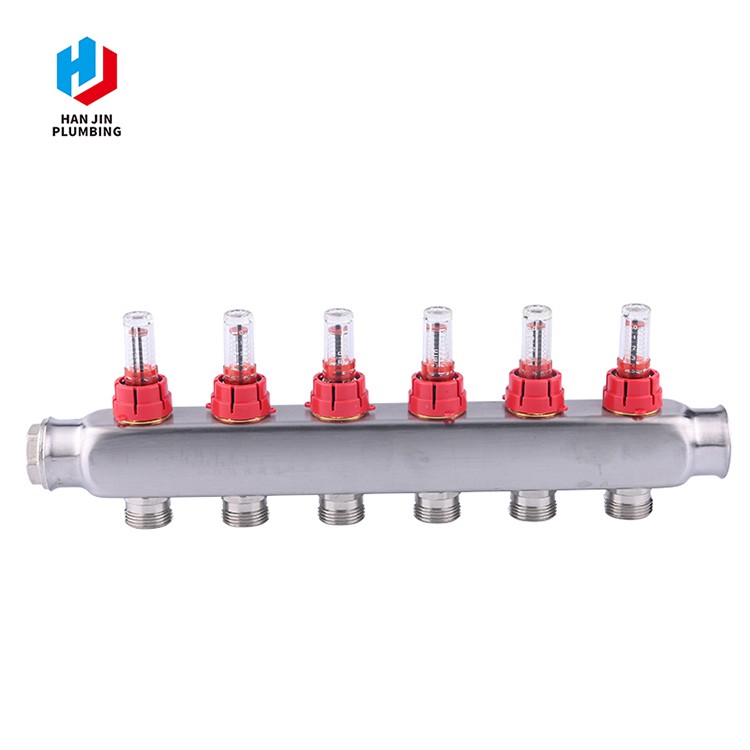
So, if you're interested in learning more about our Brass Manifolds with Valves or want to discuss your requirements, don't hesitate to reach out. We're here to help you get the best - performing and quietest system possible.
References
- "Fluid Mechanics for Dummies" - A great resource for understanding fluid flow and noise generation.
- "HVAC Installation Best Practices" - Covers installation techniques to reduce noise in heating and cooling systems.
- "Valve Handbook" - Provides in - depth information about different types of valves and their performance.